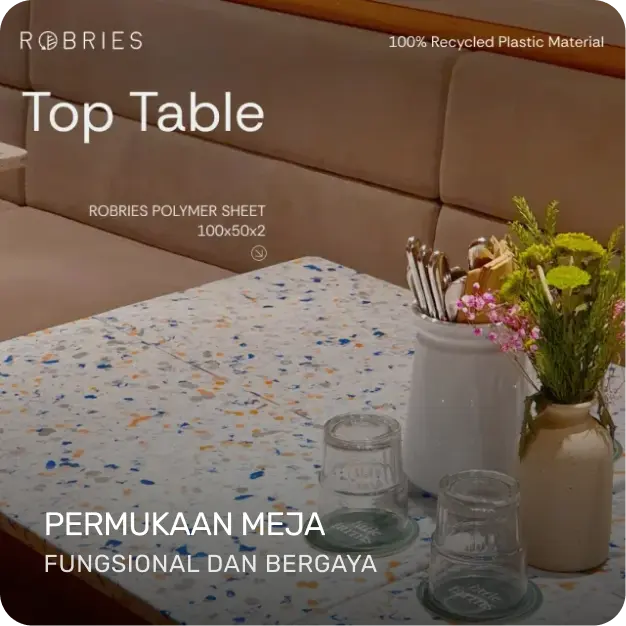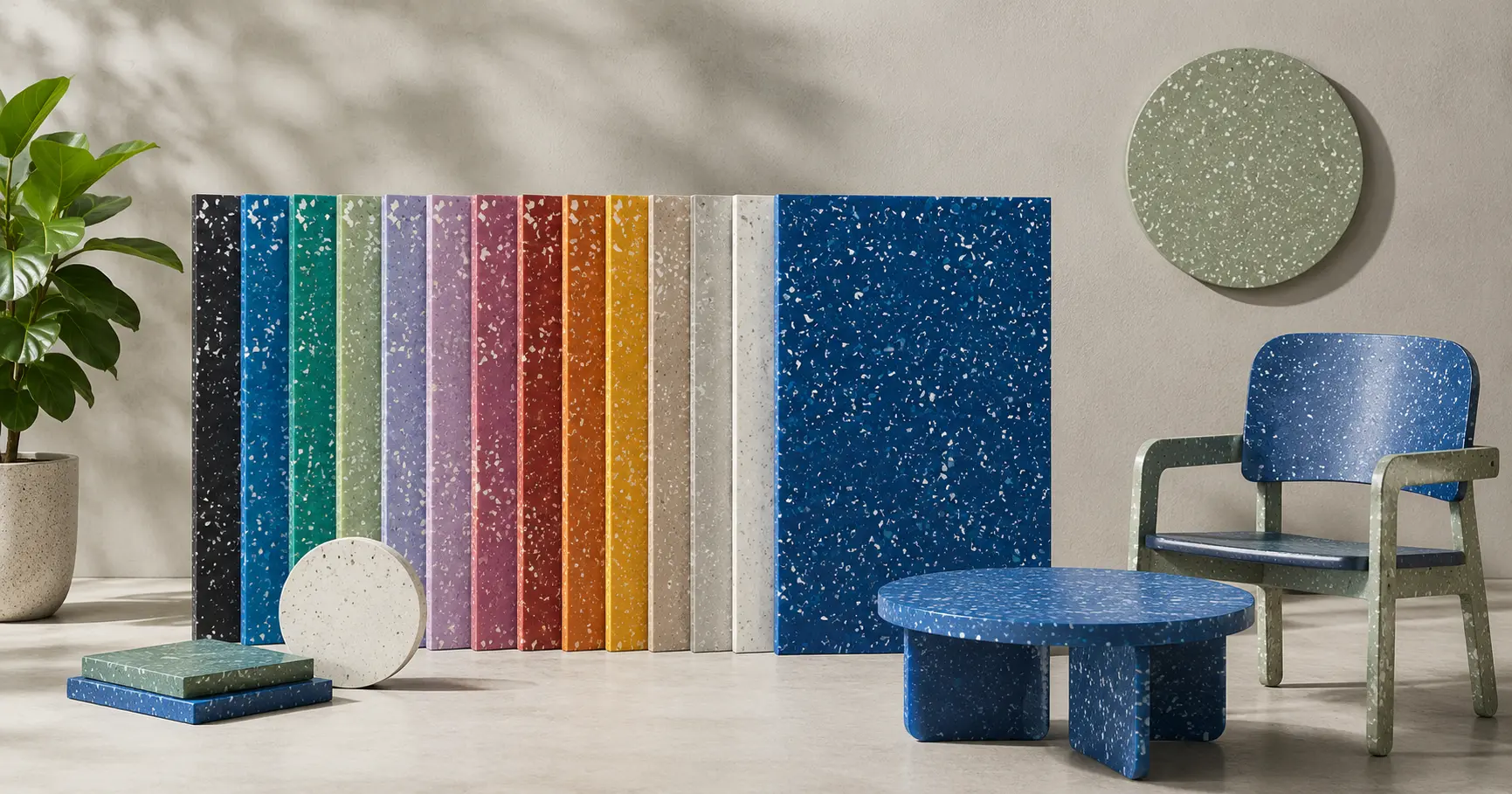

Eco-friendly products from recycled plastic are functional goods — furniture, panels, surfaces — made 100% from plastic waste, cutting new material use while reducing waste. For business, the benefits are threefold: support for ESG goals, sustainable brand differentiation, and high durability (HDPE up to 214 kg/cm2). Robries produces spec-ready recycled sheets in 15+ colors for commercial applications: cafes, hotels, offices, and public spaces.
What eco-friendly recycled-plastic products are
Eco-friendly products from recycled plastic are functional goods made from reprocessed plastic waste — not new material. They include furniture, decorative panels, and interior surfaces. This approach cuts demand for raw materials while using up waste that could otherwise pollute the environment.
Three real benefits for business
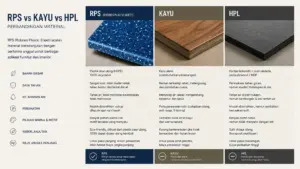
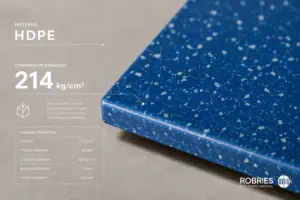
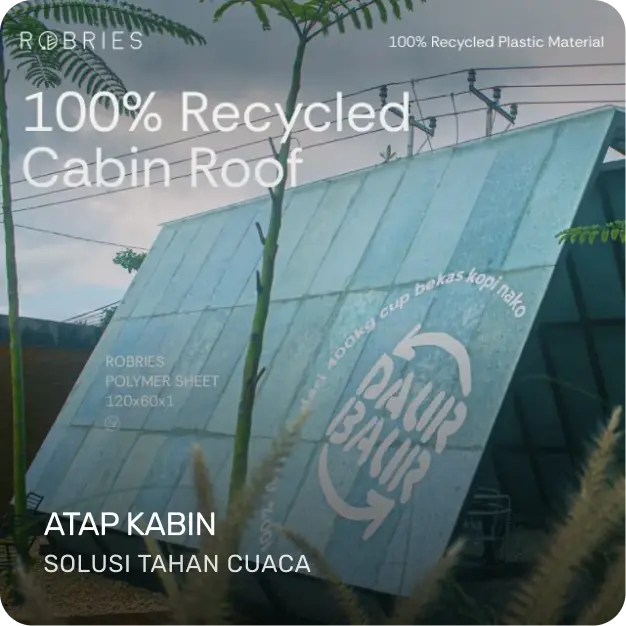
First, supporting ESG goals: the material reuses plastic waste, a concrete step on the Environmental pillar. Second, brand differentiation: spaces with sustainable materials become storytelling valued by modern consumers. Third, high durability: recycled HDPE has impact strength up to 214 kg/cm2 and resists weather and termites.
Usable in any commercial space
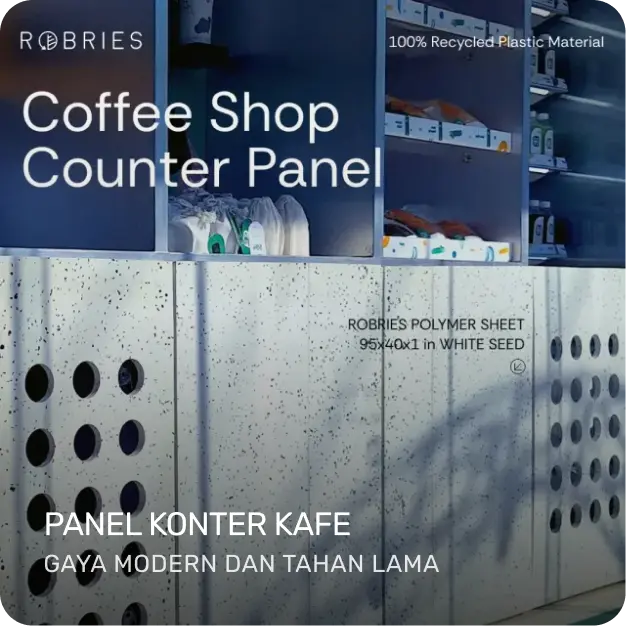
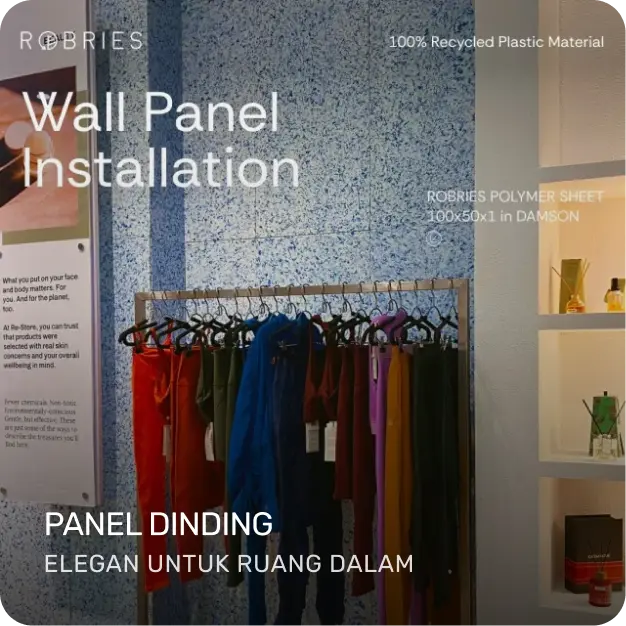
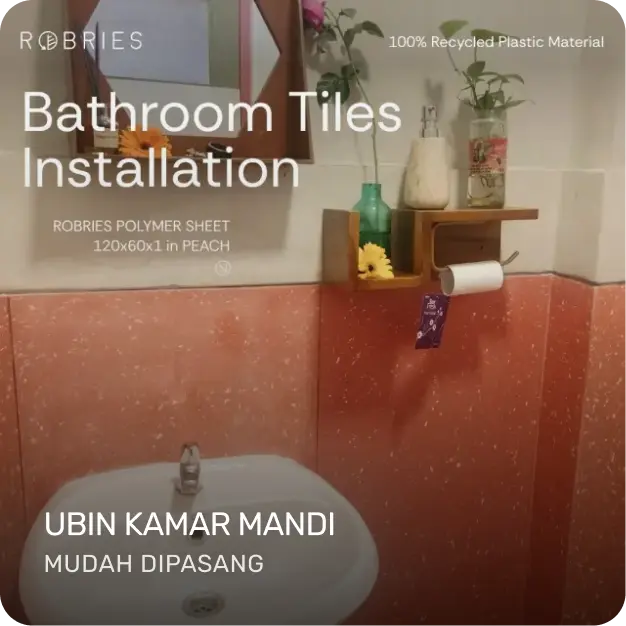
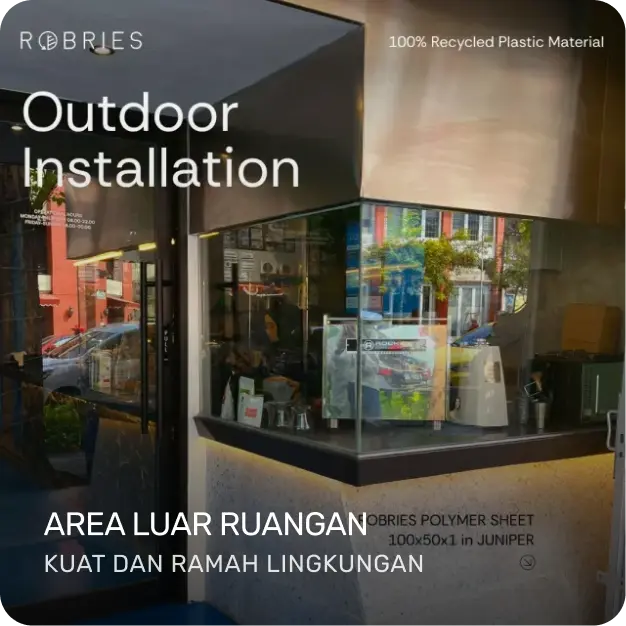
The material is flexible for cafes, hotels, offices, retail, showrooms, and indoor public spaces. It can be formed into tables, chairs, wall panels, and custom elements, blending with styles from modern minimalist to industrial. The mix of unique aesthetics and sustainability value keeps it relevant for today’s projects.
Why demand keeps rising
Consumers and space users increasingly watch how brands manage environmental impact. Using eco-friendly plastic products becomes part of broader brand communication — not just aesthetics but a statement of values. Robries provides green building documentation to support these claims.
Telling real green claims from greenwashing
As demand for sustainable products rises, ‘eco-friendly’ claims are sometimes used without evidence — a phenomenon known as greenwashing. Truly eco-friendly products can show material origin, recycled-content percentage, and verifiable documentation. 100% recycled material with a clear trace gives a business a defensible claim basis, protecting reputation from greenwashing accusations.
Documentation that makes claims defensible
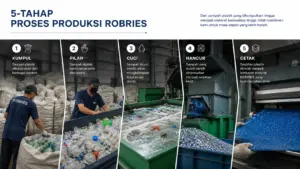
For B2B businesses, sustainability claims often need formal documentation to enter ESG reporting or green building certification. Recycled products accompanied by spec sheets and green building documentation make this integration easier. Details like material source (bottle caps, crates for HDPE), production process, and re-recyclability become useful data for sustainability reports.
Fits small businesses and corporates alike
Not all businesses have the same budget or scale. Recycled products offer flexibility: small businesses like independent cafes can start with a few statement elements (one feature wall or table set), while corporates can apply them at full scale across offices. The availability of free samples and phased volume options makes the material accessible at various budget points.
A recap for business owners
As a practical summary: Eco-friendly products from recycled plastic support ESG goals, brand differentiation, and high durability—with verifiable documentation to avoid greenwashing. To validate whether the material fits your project needs, the most effective step is to assess it directly — Robries provides a free physical sample plus a technical spec sheet delivered to your studio or project site within 3 working days, with no purchase obligation. With a sample in hand, design and procurement teams can evaluate color, texture, weight, and dimensional fit before making a budget decision. An early discussion of volume, dimensions, and timeline also helps the material team prepare an accurate estimate and maintain consistency across orders.
Product categories and their business value
Eco-friendly products from recycled plastic span varied categories: furniture (tables, chairs, benches), decorative panels, tabletops/countertops, and custom interior elements. All are made 100% from plastic waste, cutting new material while reducing waste. For business, the benefits are threefold: (1) supporting ESG goals—the material reuses waste, a concrete step on the Environmental pillar; (2) brand differentiation—spaces with sustainable material become storytelling valued by modern consumers; (3) high durability—HDPE up to 214 kg/cm2, weather- and termite-resistant. This combination makes eco-friendly products not merely an ethical choice but a sound business decision.
Verified claims, not greenwashing
As demand for sustainable products rises, ‘eco-friendly’ claims are sometimes used without evidence—greenwashing. Truly eco-friendly products can show material origin, recycled-content percentage, and verifiable documentation. 100% recycled material with a clear trace and green building documentation gives a business a defensible claim basis—protecting reputation from greenwashing accusations. These products are accessible across scales: small businesses can start with a few statement elements (one feature wall or table set), while corporates apply them at full scale. Free samples and phased volume options make them affordable at various budget points.
Robries’ eco-friendly product range
Robries produces Robries Polymer Sheet — a 100% recycled product that can be formed into furniture, panels, and surfaces for various commercial spaces. With verifiable documentation and green building documentation, the material gives businesses a defensible basis for sustainability claims. Available from small businesses to full-scale corporate projects. Learn more about our products.
They are made 100% from recycled plastic waste, cutting the need for new material and using up waste that could otherwise pollute. The material can also be recycled again.
No. Recycled HDPE has impact strength up to 214 kg/cm2 and resists termites and weather — often more consistent than wood for intensive commercial use.
The material reuses plastic waste and comes with green building documentation, supporting the Environmental pillar of corporate clients’ ESG reporting.
Look for verifiable evidence: material origin, recycled-content percentage, and formal documentation. 100% recycled material with a clear trace gives a defensible claim basis.
Yes. Small businesses can start with a few statement elements like one feature wall or table set. Free samples and phased volume options make it accessible at various budgets.