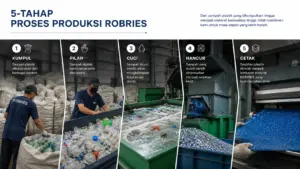
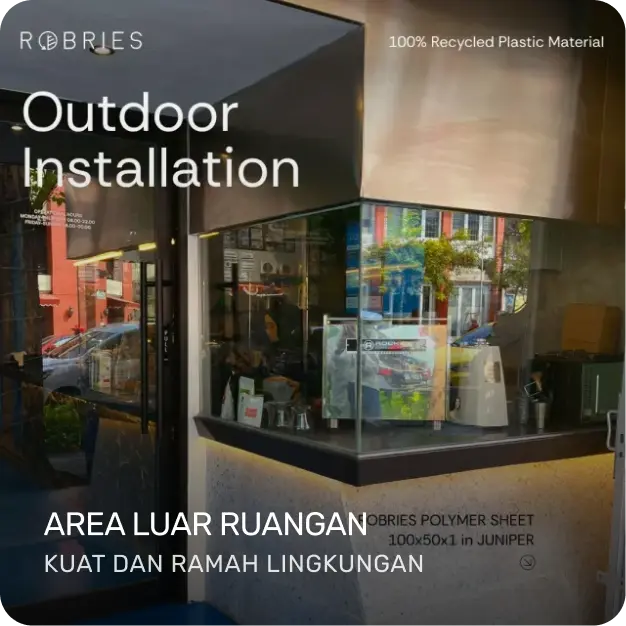
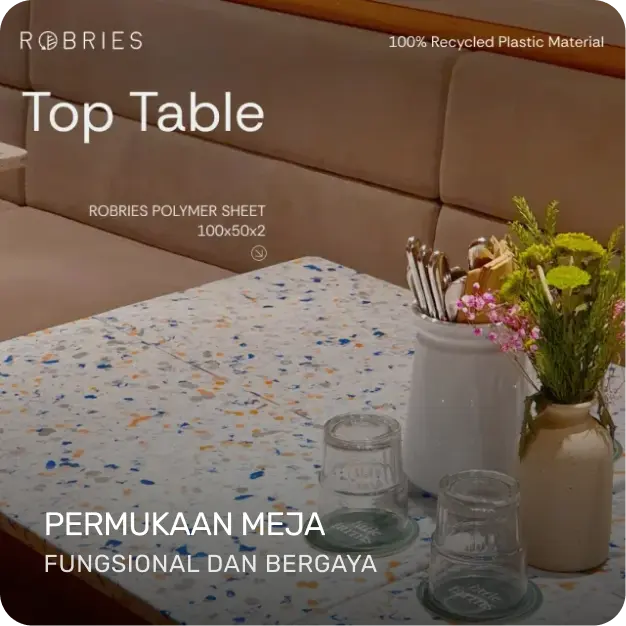
Recycled plastic material (interior grade) is made from plastic waste that is collected, sorted, washed, then heated and molded into solid sheets. The result: surfaces with unique visual character (marbling, terrazzo, color mosaic) that can be cut and shaped for tabletops, decorative wall panels, and custom interior elements. It supports a sustainable design identity for cafes, offices, retail, and indoor public spaces.
Sustainable material enters interior design
The interior industry is shifting: aesthetics and function now sit alongside sustainability. Recycled plastic is no longer seen as waste but as a resource that can become high-value design elements — an appealing alternative to conventional materials in commercial and public projects.
How waste becomes sheet material
The process: collecting and sorting plastic, washing and reprocessing, then heating and molding into sheets or panels. The end result is a recycled plastic surface ready for various interior elements, from furniture to decorative panels.
A pattern factory materials cannot imitate
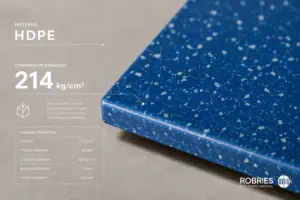
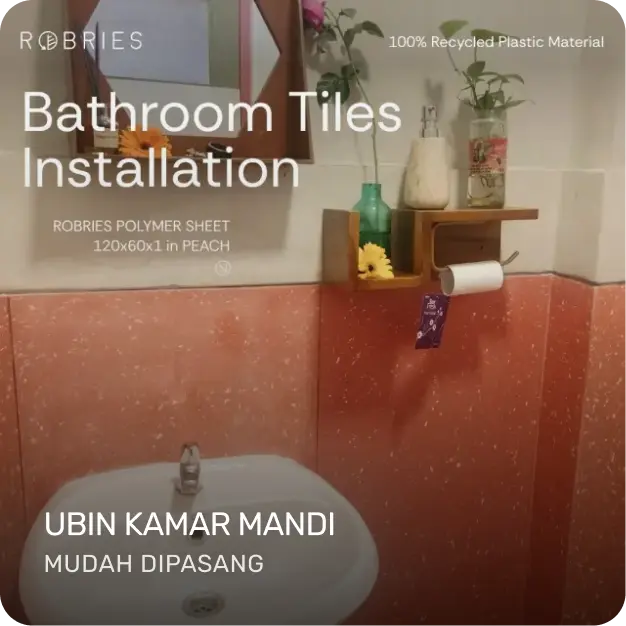
Because it comes from a mix of colored plastics, the process yields patterns that are not fully uniform — resembling marbling, terrazzo, or color mosaic. This character gives a strong visual identity, and decorative panels often become a design focal point.
Where this material is used
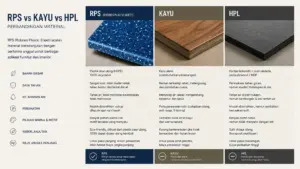
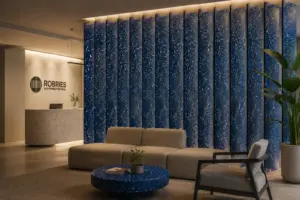
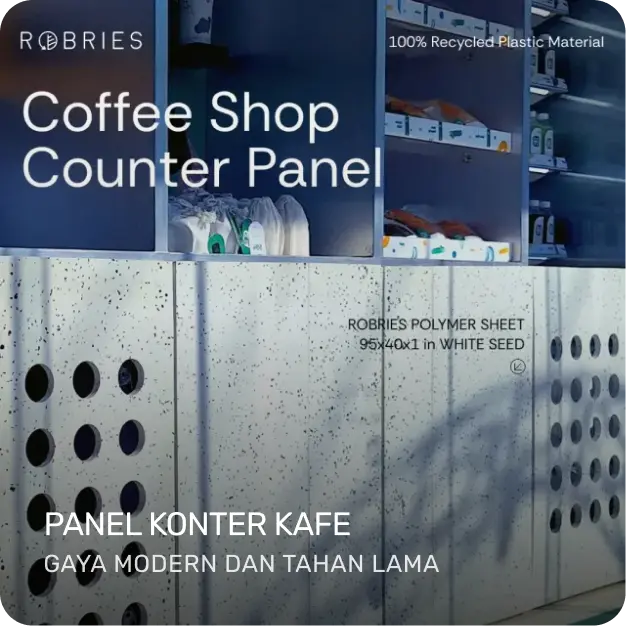
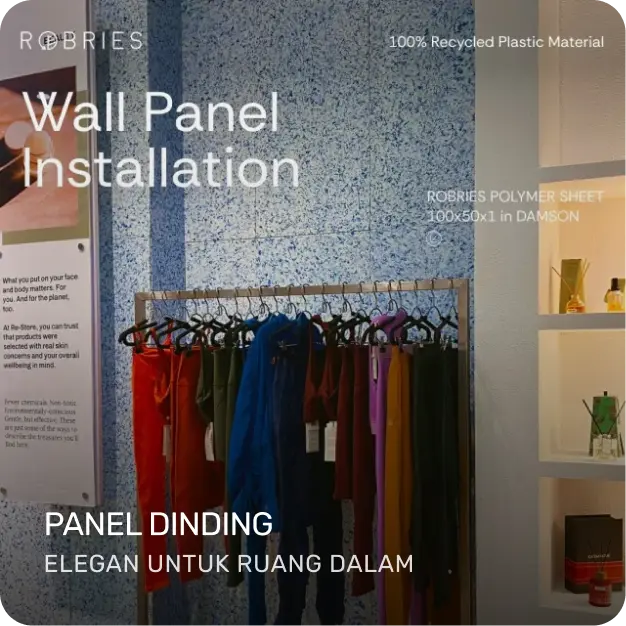
Three common applications: tabletops and furniture with a look distinct from laminate or synthetic wood; decorative wall panels for feature walls, reception areas, and partitions; and custom interior elements like display racks and communal tables. Cut-and-shape flexibility makes it suited to creative design.
Do’s and don’ts when working it
Every material has handling characteristics. Recycled plastic can be processed with common tools — circular saw, router, drill — but it is important to avoid laser cutting because excess heat melts the material. For curved elements, a heat gun at around 60°C lets the material be bent. Understanding these limits from the design stage prevents production errors and ensures the final result matches the shop drawing.
Pairing it with wood, metal, and glass
Interior design rarely uses a single material. Recycled plastic pairs well with wood, metal, concrete, and glass. For example, a recycled decorative panel can become a feature wall amid plain plastered walls, or a recycled tabletop mounted on metal legs. This textural contrast actually reinforces recycled material’s character as a statement element, not merely a substitute.
A material that tells a story
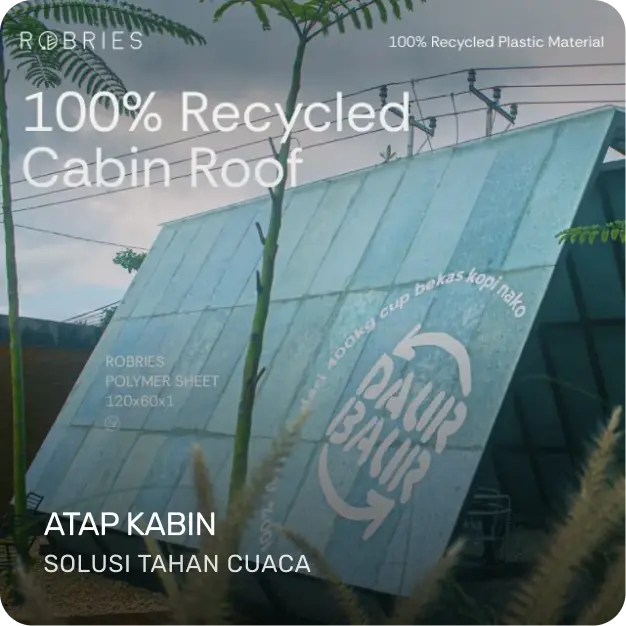
For many projects, material is not only about function but story. When a client or visitor learns that the lobby feature wall is made from thousands of recycled bottle caps, that material gains narrative meaning. Designers can leverage this to strengthen a project’s concept — especially for brands building positioning around environmental responsibility and innovation.
Three things designers should keep in mind
As a practical summary: Recycled plastic material for interiors offers unique visual character (terrazzo, marbled) with cut-and-shape flexibility for tables, panels, and custom elements. To validate whether the material fits your project needs, the most effective step is to assess it directly — Robries provides a free physical sample plus a technical spec sheet delivered to your studio or project site within 3 working days, with no purchase obligation. With a sample in hand, design and procurement teams can evaluate color, texture, weight, and dimensional fit before making a budget decision. An early discussion of volume, dimensions, and timeline also helps the material team prepare an accurate estimate and maintain consistency across orders.
Three characters: terrazzo, marbled, mosaic
The main appeal of recycled plastic material for interiors is a visual character uniform industrial materials cannot imitate. Because it comes from a mix of colored plastics, each sheet yields a unique pattern—resembling terrazzo (scattered color flecks), marbled (marble-like veining), or mosaic (color blocks). These three characters give designers an expressive palette: terrazzo for a playful-contemporary feel, marbled for a premium nuance, mosaic for a bold statement. Because every sheet is unique, the resulting space cannot be duplicated exactly—an added value for brands wanting a distinct identity.
Three most-wanted interior applications
This material is most often applied in three forms. First, tabletops and countertops—looking distinct from laminate/synthetic wood with more consistent durability for cafes, coworking, and retail. Second, decorative wall panels—feature walls in reception areas, lounges, or partitions that also convey a sustainability message. Third, custom interior elements—display racks, counter bars, communal tables, and modular elements. Because it can be cut, drilled, and bent with common tools (not laser), its processing flexibility is high without special equipment.
Choosing interior material from Robries
Robries produces recycled sheet material with terrazzo and marbled character that can be cut, drilled, and bent for various interior elements. Available in 15+ colors and customizable for feature walls, tabletops, and modular elements. A free physical sample ships to your studio within 3 working days to assess texture and color directly.
Because it is made from a mix of colored plastics, the resulting pattern is non-uniform and resembles marbling, terrazzo, or mosaic — giving it character distinct from conventional materials.
For tabletops, decorative wall panels (feature walls, reception areas, partitions), and custom elements such as display racks and communal tables.
Yes. The material resists moisture, is sufficiently strong, easy to maintain, and flexible — suitable for cafes, creative offices, retail, and indoor public spaces.
Use common tools such as a circular saw, router, and drill. Avoid laser cutting because excess heat melts the material. For curved elements, use a heat gun at around 60°C.
Very much so. Recycled plastic pairs well with wood, metal, concrete, and glass. Textural contrast often reinforces its character as a statement element in design.