
Recycled plastic outdoor furniture (HDPE) suits commercial areas like terraces, rooftops, and gardens for three reasons: weather resistance against sun and rain, easy maintenance without recoating, and strength for intensive commercial use. It can be formed into chairs, minimalist tables, and communal benches with unique visual character. Robries supplies spec-ready sheets for durable outdoor furniture.
Outdoor space as a commercial selling point
Outdoor spaces have become essential: cafes, restaurants, hotels, and public areas use terraces, rooftops, courtyards, and gardens as part of the visitor experience. Choosing outdoor furniture is crucial, and many projects turn to recycled plastic as a durable, eco-friendly alternative.
What destroys outdoor furniture
Outdoor furniture must face sun exposure, rain, temperature change, and heavy use. Material not designed for these conditions fails fast — fading, cracking, or rotting. Choosing the right material determines service life.
Why recycled plastic lasts outside
Three advantages: weather resistance (unaffected by moisture/rain, stable under long-term sun), easy maintenance (no recoating needed), and strength for intensive commercial use by many visitors daily.
Outdoor furniture forms you can build
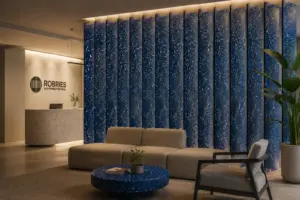
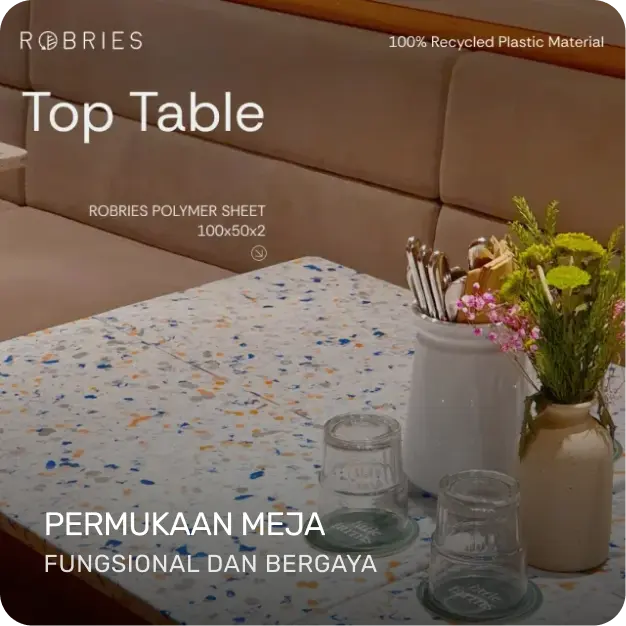
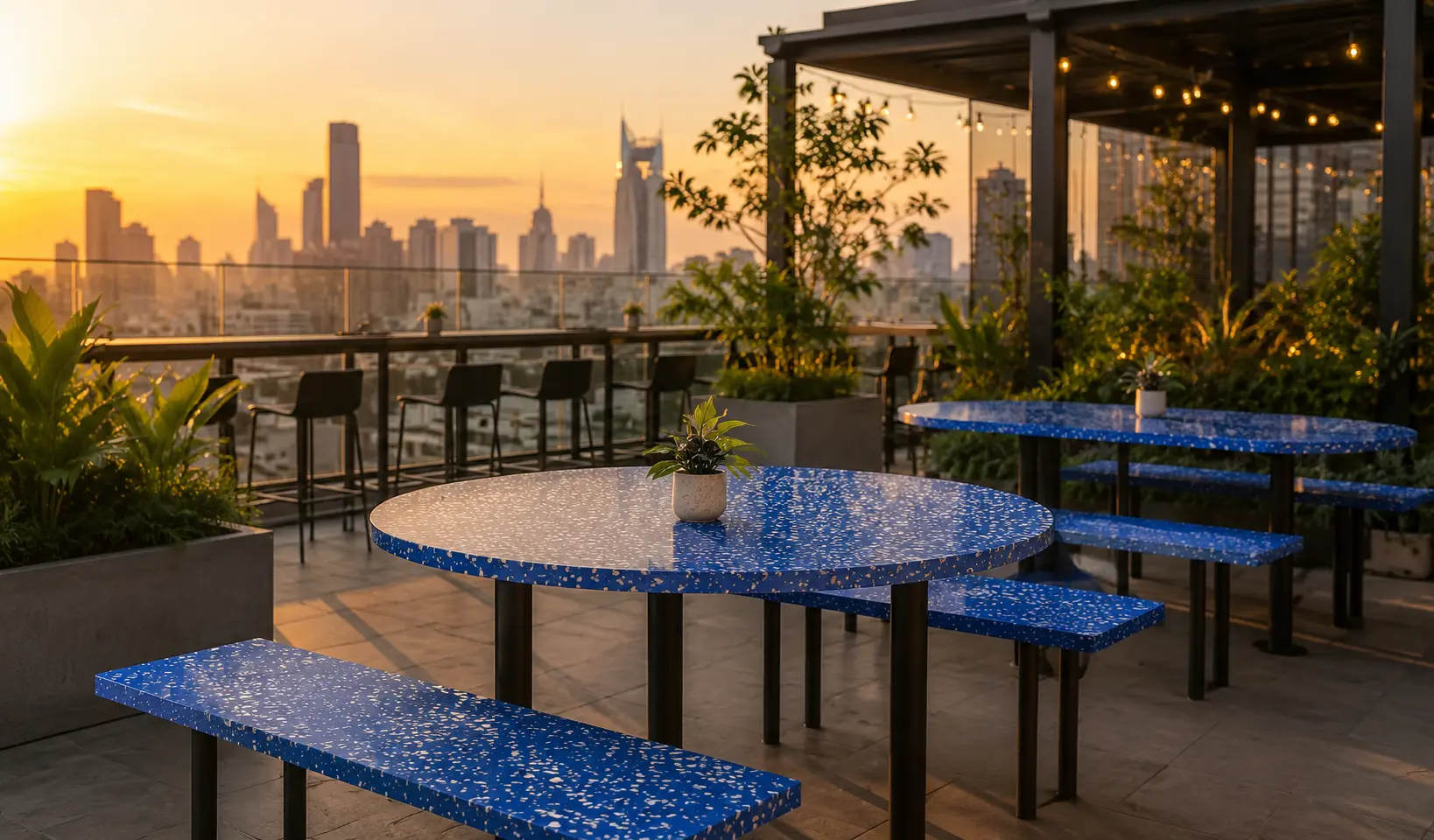
Outdoor chairs for cafes, city parks, or rooftop lounges; minimalist tables with unique color patterns; and communal benches for public areas. The visual character of mixed plastics becomes an aesthetic element that reinforces a sustainable commercial identity.
Choosing colors that resist heat
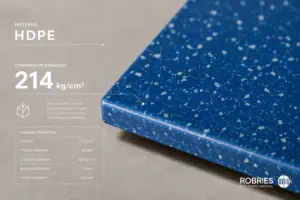
Color choice for outdoor furniture is not only about aesthetics but performance. Lighter colors tend to absorb less heat under direct sun, making the surface more comfortable to touch. The pattern character of recycled material also hides dust and light scratches better than plain surfaces, reducing the visual cleaning frequency for outdoor areas constantly exposed to the environment.
Keeping furniture stable in windy areas
Outdoor areas like rooftops and seafronts are often very windy. Outdoor furniture must be stable enough not to topple easily. Recycled plastic material at the right thickness provides adequate weight, and wide-leg designs or ballast elements can be added for very windy locations. Discussing the specific site conditions with the material team helps determine the right specification.
A long life, then recycled again
A unique advantage of recycled plastic outdoor furniture is its full life cycle. At the end of a long service life, the material can still be recycled again — unlike wood that rots or composite materials hard to separate. For commercial operators with sustainability commitments, this closes the loop: material enters as waste, serves for years, then returns to the cycle instead of landfill.
Before buying: the points to check
As a practical summary: Recycled plastic outdoor furniture excels in weather resistance, recoat-free maintenance, and strength for intensive commercial use on terraces and rooftops. To validate whether the material fits your project needs, the most effective step is to assess it directly — Robries provides a free physical sample plus a technical spec sheet delivered to your studio or project site within 3 working days, with no purchase obligation. With a sample in hand, design and procurement teams can evaluate color, texture, weight, and dimensional fit before making a budget decision. An early discussion of volume, dimensions, and timeline also helps the material team prepare an accurate estimate and maintain consistency across orders.
Three outdoor categories and weather factors
Commercial outdoor furniture faces challenges indoor furniture does not: UV exposure, rain, humidity, and daily temperature swings. The wrong material fades, cracks, or rots fast. Outdoor chairs at a cafe or rooftop lounge need UV resistance so color does not fade quickly. Outdoor tables need a water-resistant surface easy to clean of food stains. Communal benches in parks prioritize structural strength for intensive use. HDPE-based RPS is UV-stable, does not absorb water, and is strong for all three categories—without the recoating wood requires.
Practical points when installing outside
Several practical considerations determine outdoor-furniture success. Color choice: lighter tones absorb less heat and are more comfortable to touch under direct sun. Stability: windy areas like rooftops and seafronts need wide-leg designs or ballast elements; the right RPS thickness provides adequate weight. Drainage: outdoor tables should be designed so water does not pool. Maintenance: just clean with mild soapy water, no special treatment. Discussing the specific site conditions with the material team helps determine the right specification—color, thickness, configuration.
Durable outdoor furniture from Robries
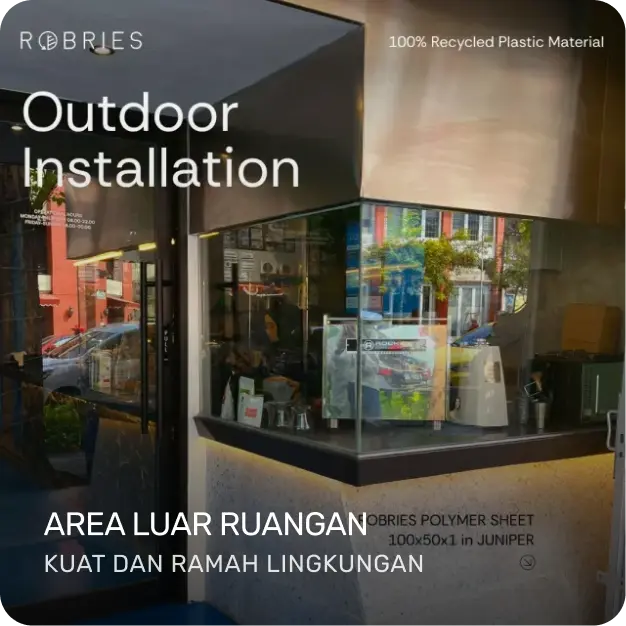
Robries produces weather-resistant recycled material for commercial outdoor furniture — chairs, tables, and communal benches for terraces, rooftops, and gardens. The material resists sun and moisture without needing recoating. Our team can help determine the right specification for your outdoor site conditions, including color and thickness options.
Yes. HDPE-based material is unaffected by moisture and stable under long-term sun exposure, suiting gardens, rooftops, and terraces.
No. The surface cleans easily and needs no recoating or intensive upkeep, lowering operating costs.
Outdoor chairs, minimalist tables, and communal benches — all customizable with the unique color patterns characteristic of recycled material.
Lighter colors tend to absorb less heat and are more comfortable to touch under direct sun. The material’s pattern also hides dust and light scratches better than plain surfaces.
Material at the right thickness provides adequate weight. For very windy locations, wide-leg designs or ballast elements can be added — discuss site conditions with the material team.